Understanding the Role of a Carpenter
Carpentry is a skilled trade that plays an essential role in construction, woodworking, and design. A carpenter works with various materials, primarily wood, to create structures, furniture, and other items crucial for both functionality and aesthetics in our daily lives. Understanding the depth of this profession is key to appreciating the craftsmanship involved and recognizing the integral role carpenters play in countless projects around the home and beyond.
What Does a Carpenter Do?
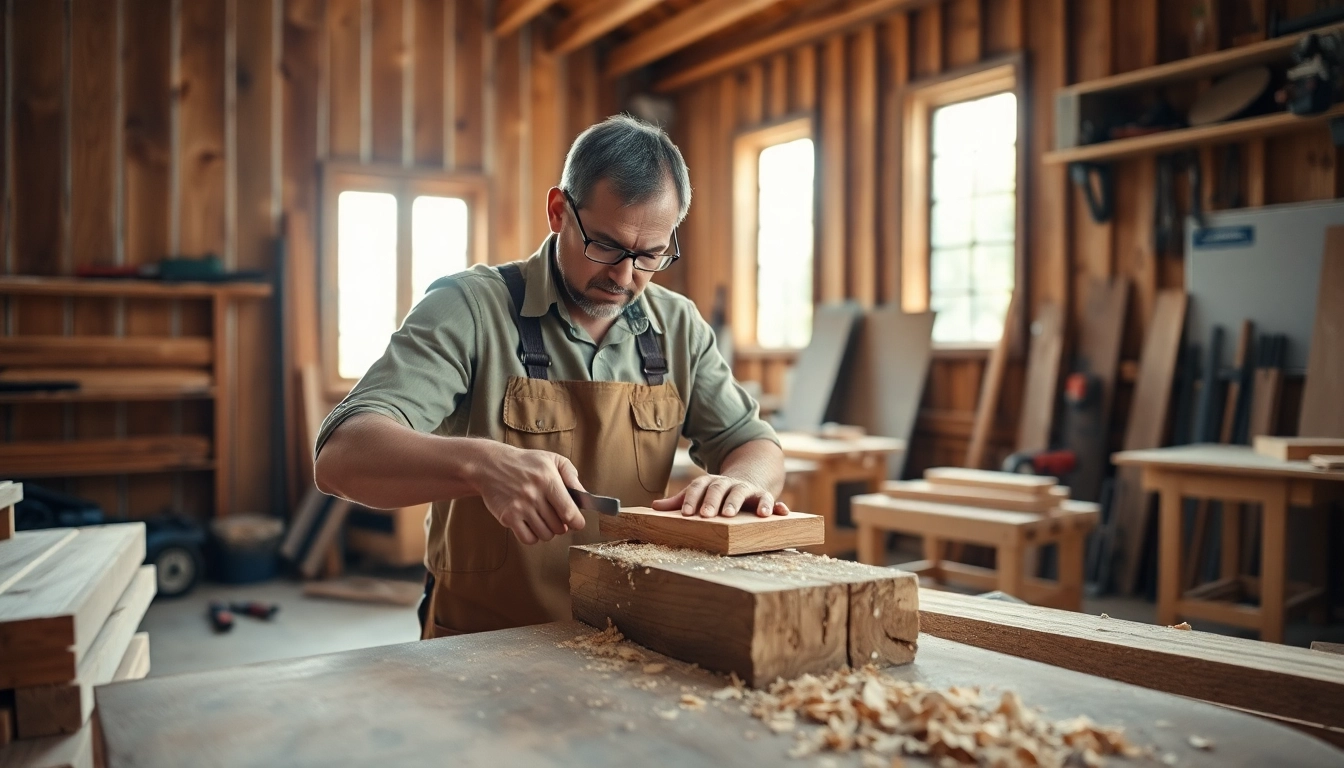
A carpenter typically engages in designing, building, and repairing structures made of wood and other materials. This can range from frameworks for buildings to custom cabinetry and furniture. Carpenters are also responsible for measuring, cutting, and joining materials with precision to ensure structural integrity and visual appeal. Projects can include anything from new construction, remodeling, and repair work, addressing everything from simple home improvements to complex architectural designs.
Types of Carpentry Specialties
Carpentry encompasses several specialties, each requiring different skills and tools. Here are some common types:
- Framing Carpenters: Focus on constructing the skeletal structure of buildings, often working with dimensional lumber to create walls, floors, and roofs.
- Finish Carpenters: Responsible for the final touches, including installation of trim, molding, and cabinetry that enhance the aesthetics of a space.
- Cabinetmakers: Specialize in creating custom furniture and cabinetry, requiring a keen eye for detail and craftsmanship.
- Formwork Carpenters: Create molds, or formwork, into which concrete is poured to shape building structures such as foundations and walls.
- Industrial Carpenters: Work mostly on large-scale projects, often in factories and warehouses, handling specialized carpentry for industrial needs.
Essential Skills for Aspiring Carpentry Professionals
Success as a carpenter requires a diverse skill set. Some essential skills include:
- Mathematical Proficiency: Fundamental for accurate measurements and calculations.
- Attention to Detail: Crucial for ensuring precision in cutting and joining materials.
- Problem Solving: Important for overcoming challenges on the job and finding effective solutions.
- Physical endurance: Necessary for working long hours in varied conditions.
- Communication Skills: Essential for collaborating with clients, architects, and other tradespeople.
Tools Every Carpenter Should Have
Hand Tools for Precise Work
Hand tools are vital for any carpenter, regardless of skill level. Key tools include:
- Chisels: Used for carving and shaping wood.
- Saws: Various types (handsaws, coping saws) are essential for cutting wood accurately.
- Claw Hammer: A versatile tool for driving nails and removing them.
- Square: To ensure right angles and accuracy in joints.
- Tape Measure: Indispensable for measuring lengths and ensuring precise cuts.
Power Tools That Increase Efficiency
Power tools are significant investments that can considerably enhance productivity. Important power tools include:
- Drills: Used for drilling holes and driving screws, available in cordless and corded options.
- Table Saws: Essential for making straight cuts through large wooden pieces.
- Miter Saws: Ideal for making precise crosscuts and angular cuts.
- Power Sanders: Used to smooth surfaces quickly compared to manual sanding.
- Router: Great for hollowing out areas in wood to make intricate designs.
Safety Equipment for a Carpenter
Safety should always be a top priority. ASTM compliant safety equipment includes:
- Safety Glasses: Protects eyes from debris and dust.
- Ear Protection: Essential for reducing noise exposure from power tools.
- Dust Masks: Prevents inhalation of wood dust during cutting and sanding.
- Hard Hats: Necessary for protecting against falling objects on site.
- Steel-Toed Boots: Provides foot protection against heavy materials and tools.
Wood Types and Their Uses in Carpentry
Common Softwoods for Carpentry
Softwoods are prevalent in many carpentry projects due to their flexibility and ease of use. Common softwoods include:
- Pine: Known for being lightweight and affordable, suitable for furniture and cabinetry.
- Spruce: Often used in construction, especially for framing and paneling.
- Cedar: Naturally resistant to rot and insects, great for outdoor projects.
- Fir: Common in structural applications, known for its strength.
Hardwoods and Their Applications
Hardwoods, known for their durability and aesthetic appeal, are ideal for projects requiring high quality. Examples include:
- Oak: A strong wood widely used in furniture and flooring.
- Maple: Dense and hard, used for cabinets, floors, and high-impact areas.
- Cherry: Valued for its rich color and smooth grain, often used in fine furniture.
- Walnut: Known for its dark color and grain, popular in cabinetry and decorative items.
Sustainable Wood Choices for Eco-Friendly Projects
Increasingly, carpenters are focused on sustainability, utilizing eco-friendly wood options such as:
- Bamboo: A rapidly renewable resource with excellent strength.
- Reclaimed Wood: Rescued from old structures, adding character while reducing waste.
- Certified Wood: Sourced from responsibly managed forests that adhere to environmental standards.
Fundamentals of Carpentry Techniques
Measuring and Cutting Wood Accurately
Accurate measurement is paramount in carpentry. Techniques include:
- Always use a tape measure, recording measurements accurately, and confirming them before cutting.
- Mark wood using a pencil or chalk to avoid confusion after measurement.
- For cutting, ensure that you’re using the correct saw type for the specific wood and desired cut.
Joinery Techniques to Know
Understanding various joinery techniques is crucial for structural integrity and aesthetics. Important techniques include:
- Butt Joint: A simple connection where two pieces meet at a right angle.
- Mortise and Tenon: A traditional method providing strong joint connections.
- Dovetail Joint: Known for its strength, primarily used in drawers and cabinetry.
- Lap Joint: Where two pieces overlap, great for structural applications.
Finishing Touches: Sanding and Staining
Finishing techniques greatly impact the final appearance of the project. Essential practices include:
- Sand wood progressively, beginning with a coarse grit and moving to finer grits for a smooth finish.
- Choose the right stain to enhance wood grain while protecting against moisture.
- Apply top coats such as polyurethane for added durability, particularly in high-traffic areas.
Getting Started as a Carpenter: A Beginner's Guide
Education and Training Pathways
A strong educational foundation is beneficial in carpentry. Many carpenters start with:
- Completing high school with coursework in math, blueprint reading, and woodworking.
- Participating in vocational training programs or apprenticeships for hands-on experience.
- Pursuing further certifications for specialized skills like cabinetmaking or green building practices.
Building Your First Project: Tips for Success
Starting your first carpentry project can be exciting yet daunting. Here are some tips:
- Choose a manageable project, such as a simple bookshelf or a picnic table, to build your confidence.
- Plan your project meticulously, including measurements, materials, and timelines.
- Don’t rush; allow plenty of time to familiarize yourself with tools and techniques.
Finding Work as a Carpenter: Networking and Opportunities
Finding work opportunities involves effective networking. Consider these approaches:
- Join local carpentry or construction associations to connect with professionals.
- Utilize social media platforms to showcase your work and seek potential clients.
- Consider starting as a subcontractor to gain experience and build a client base.
FAQs about Carpentry
1. What is the average salary of a carpenter?
The average salary can vary widely based on experience, location, and specialization. However, many carpenters earn a competitive wage, with potential for growth in specialized fields.
2. Do carpenters need a license?
Licensing requirements for carpenters depend on local regulations. Some areas require a license, especially for contractors, whereas others may not require one.
3. How long does it take to become a carpenter?
Becoming a skilled carpenter typically takes 3 to 4 years of apprenticeship and training, alongside continual learning throughout one’s career.
4. What is the best material for outdoor furniture?
Cedar and teak are excellent choices for outdoor furniture due to their natural resistance to weathering, rot, and insects. Make sure to maintain them regularly.
5. Can I do carpentry as a hobby?
Absolutely! Many people find carpentry to be a rewarding hobby. Start with small projects, and gradually explore more complex builds as your skills improve.