
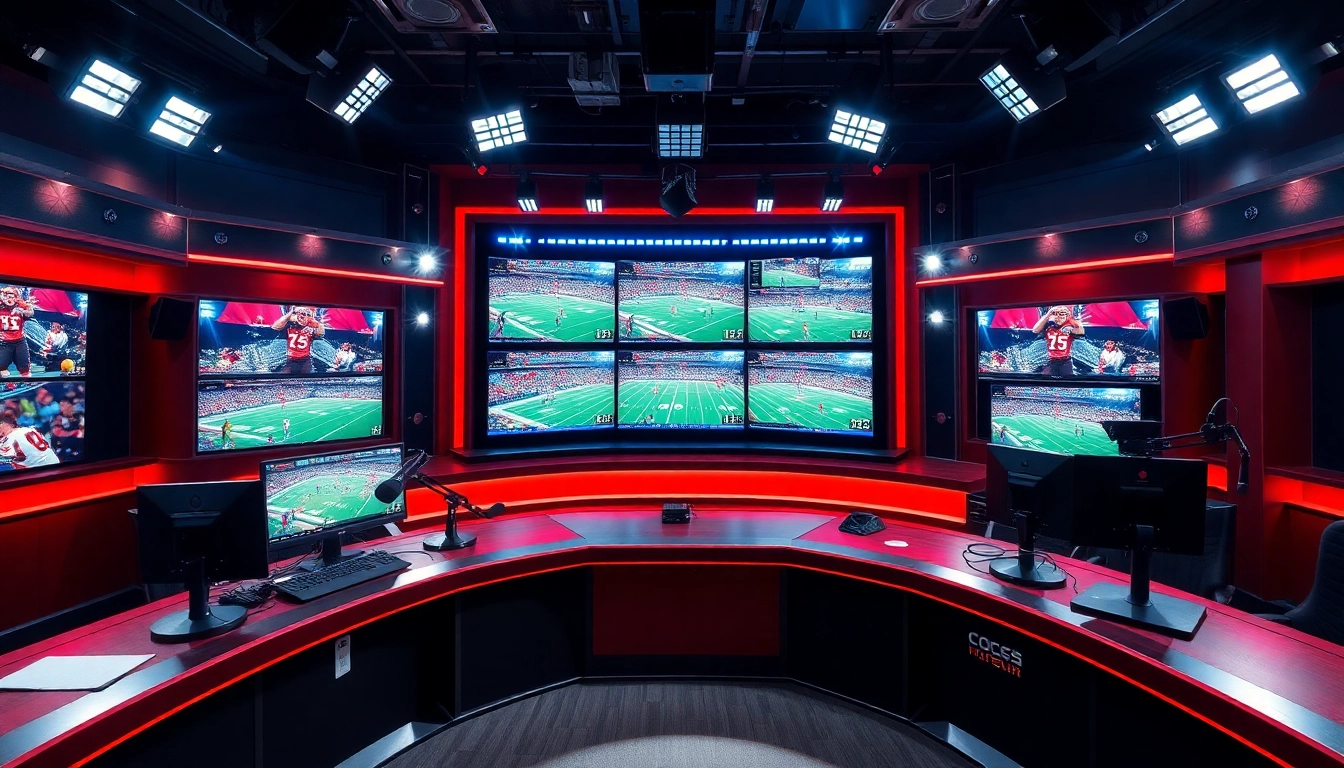
Understanding Sports Broadcasting
Overview of Sports Broadcasting
Sports Broadcasting is a vital part of the sports industry, encompassing the transmission of live sports events, analysis, and commentary through various media platforms. This dynamic field merges technology with entertainment, providing audiences with real-time coverage and insights from the sporting world. As fans increasingly consume content through multiple channels, whether it be traditional television, online streaming, or social media, the importance of effective Sports Broadcasting continues to rise. Understanding its intricacies helps aspiring broadcasters succeed in a competitive landscape. For more insights on this exciting discipline, consider exploring Sports Broadcasting further.
Key Roles in Sports Broadcasting
The landscape of Sports Broadcasting is populated by various professionals, each playing a distinct role in delivering content to audiences. Broadcasters, producers, camera operators, and technical staff collaborate to ensure seamless transmission. Anchors and commentators provide play-by-play coverage and insightful analysis, while producers oversee the logistics of programming. In addition, the involvement of digital content creators has surged, bringing a fresh perspective that engages audiences on social media platforms. Understanding these roles is essential for anyone entering the field, as each contributes to the overall experience delivered to fans.
The Evolution of Sports Broadcasting
Sports Broadcasting has transformed significantly over the decades. From radio broadcasts in the early 20th century to the advent of television, technology has continuously shaped how sports are consumed. The digital revolution further propelled this evolution, with streaming services enabling fans to watch games on various devices. Current trends like virtual reality and augmented reality are pushing the boundaries of how fans experience live sports. Recognizing these changes not only enriches the viewer experience but also equips aspiring broadcasters with the knowledge to harness new technologies for future success.
Essential Equipment for Effective Sports Broadcasting
Choosing the Right Cameras and Audio Gear
High-definition cameras are the backbone of any Sports Broadcasting setup. Selection should focus on the ability to capture action in various lighting conditions and at different angles. Complementary audio gear, including microphones and mixers, is equally crucial; poor sound quality can detract from even the most exhilarating visuals. Engaging the audience requires crisp commentary and authentic soundscapes, making audio choices pivotal. Understanding the interoperability of camera and audio gear further empowers broadcasters to create a cohesive production.
Broadcasting Software and Tools
Modern Sports Broadcasting relies heavily on software for video editing, live streaming, and audience interaction. Software like broadcasting suites offers integrated solutions to manage live events effectively. Essential tools such as graphics generators assist in enhancing viewer engagement through real-time stats and visuals. The right software can streamline workflows, reduce production times, and elevate the overall quality of the broadcasts. As technology advances, constant learning and adaptation to new tools remain vital for broadcasting professionals.
Advanced Technology in Sports Broadcasting
Emerging technologies continue to redefine the landscape of Sports Broadcasting. Innovations like high-speed internet and mobile connectivity facilitate seamless live streaming, while drone technology offers unique aerial perspectives of sporting events. Another exciting development is the implementation of augmented reality graphics, which can enhance viewer engagement by providing interactive stats during a game. Understanding these technologies positions broadcasters to take full advantage of the tools available, ensuring they remain relevant and exciting in a constantly evolving field.
The Role of Social Media in Sports Broadcasting
Engagement Strategies for Fans
Social media platforms have become essential for building connections with fans. Creating engaging content beyond live games, such as behind-the-scenes insights, polls, and Q&A sessions, allows for deeper interaction. Establishing a compelling social media presence not only boosts brand loyalty but also attracts new viewers. Strategies that emphasize storytelling and relatability are most effective in fostering community, as fans increasingly seek authenticity from their favorite sports brands.
Live Streaming and Its Importance
Live streaming has revolutionized how audiences access sports content. Offering real-time coverage enables broadcasters to reach wider audiences and provide flexibility that traditional formats cannot match. The accessibility of live streams on multiple devices caters to a generation that prioritizes convenience. Furthermore, integrating interactive elements such as live chats or social media integration during streams can enrich the viewer experience, making it more immersive and engaging.
Integrating Social Media into Broadcasts
Integrating social media directly into live broadcasts offers a unique opportunity for real-time engagement. Features like displaying fan tweets, live polling results, or even live Q&A segments during games enrich the audience's experience. This fusion encourages viewer participation, creating a sense of community around events. Understanding how to synchronize broadcast content with social media interaction can significantly enhance overall viewer satisfaction and retention.
Creating Captivating Content for Sports Broadcasting
Storytelling Techniques for Sports Events
Compelling storytelling is at the heart of successful Sports Broadcasting. Effectively narrating the emotions, rivalries, and historical contexts surrounding a game can elevate viewers' experiences. Techniques like using personal anecdotes, building suspense, and highlighting turning points in a game can create a gripping narrative. Moreover, connecting with viewers on an emotional level fosters loyalty, making them return for future broadcasts.
Interviewing Techniques with Athletes
Conducting interviews with athletes requires a blend of preparation and spontaneity. Effective interviewers establish rapport, allowing athletes to share genuine insights. Utilizing open-ended questions encourages more in-depth responses and can lead to compelling narratives. Additionally, understanding the athlete's background and recent performances can help journalists craft questions that resonate, ultimately enhancing the quality of the interview and the viewer's engagement.
Visuals and Graphics in Sports Broadcasting
Visual elements play a crucial role in Sports Broadcasting, enhancing narratives and ensuring clarity. High-quality graphics, instant replays, and informative overlays can all contribute to a more engaging viewing experience. Ensuring that visuals are synchronized with commentary allows for smooth transitions and reinforces important points. Constantly innovating how visuals are presented helps maintain viewer interest and can distinguish a broadcast from competitors.
Measuring Success in Sports Broadcasting
Understanding Audience Metrics
Analyzing audience metrics is vital for measuring the effectiveness of Sports Broadcasting. Metrics such as viewership numbers, audience demographics, and engagement rates provide insights into what resonates with fans. Regular analysis of these metrics allows broadcasters to adjust their strategies and content accordingly, ensuring they meet the audience's expectations and preferences.
Evaluating Broadcast Performance
Performance evaluation extends beyond viewership metrics, incorporating qualitative feedback as well. Surveys and social media feedback can provide valuable insights into audience perception. Analyzing elements such as pacing, commentary quality, and viewer engagement can help identify both strengths and areas for improvement. Regular performance assessments lead to more informed decisions and ultimately higher-quality broadcasts.
Strategies for Growth and Improvement
Continual growth in Sports Broadcasting requires embracing new techniques and feedback. Implementing audience suggestions, adapting to emerging technologies, and exploring innovative storytelling methods are key strategies for improvement. Incorporating a cycle of consistent evaluation and evolving practices keeps broadcasters at the forefront of the industry. Fostering a culture of learning and adaptation is essential for sustained success in a highly competitive environment.
Frequently Asked Questions
What is the role of a sports broadcaster?
A sports broadcaster provides live commentary and analysis during sporting events, enhancing the viewer experience through engaging storytelling and insights.
How has technology changed sports broadcasting?
Technology has transformed sports broadcasting by enabling live streaming, enhancing graphics, and providing new viewer engagement tools, keeping audiences more connected.
Why is audience engagement important in sports broadcasting?
Audience engagement builds loyalty and connection, opening opportunities for broadcasters to enhance viewer experiences and attract new fans through interactive content.
What equipment is essential for sports broadcasting?
Essential equipment includes high-definition cameras, quality microphones, video editing software, and graphics tools to ensure polished and professional broadcasts.
How do you measure the success of a sports broadcast?
Success can be measured through audience metrics like viewership numbers, engagement rates, and qualitative feedback, informing improvements for future broadcasts.